
Most people looking for an industrial machine don’t search by the machine’s name: they search by what they make. These pages are written the other way round from a catalogue: they start with your product and your material, and end with the machine.
 AutomotiveSeats, side panels, door panels and dashboards in leather, leatherette and slush skin. Compound feed to sew over foam, single-ply cutting and seam sealing so that foam and adhesive don’t show on the visible side.See machinery →
 Furniture upholsterySofas, armchairs, headboards and contract seating. Without compound feed, a long seam over foam pulls the piece out of shape, and fabric and leather need two different cutting machines.See machinery →
 MattressesMattresses, covers and panels. Tape edge closing sets the pace of the line, and cover sewing and heavy overlocking need separate machines.See machinery →
 Leather goodsHandbags, wallets, backpacks and belts in leather. Once the piece is no longer flat, a post bed machine is essential, and the cylinder bed is what closes the piece once assembled. Choosing the post width is the first decision.See machinery →
 FootwearUppers, boot legs, and technical and safety footwear. You sew on a shaped piece from the start, and in waterproof footwear every stitch is a hole that has to be sealed with tape on the inside.See machinery →
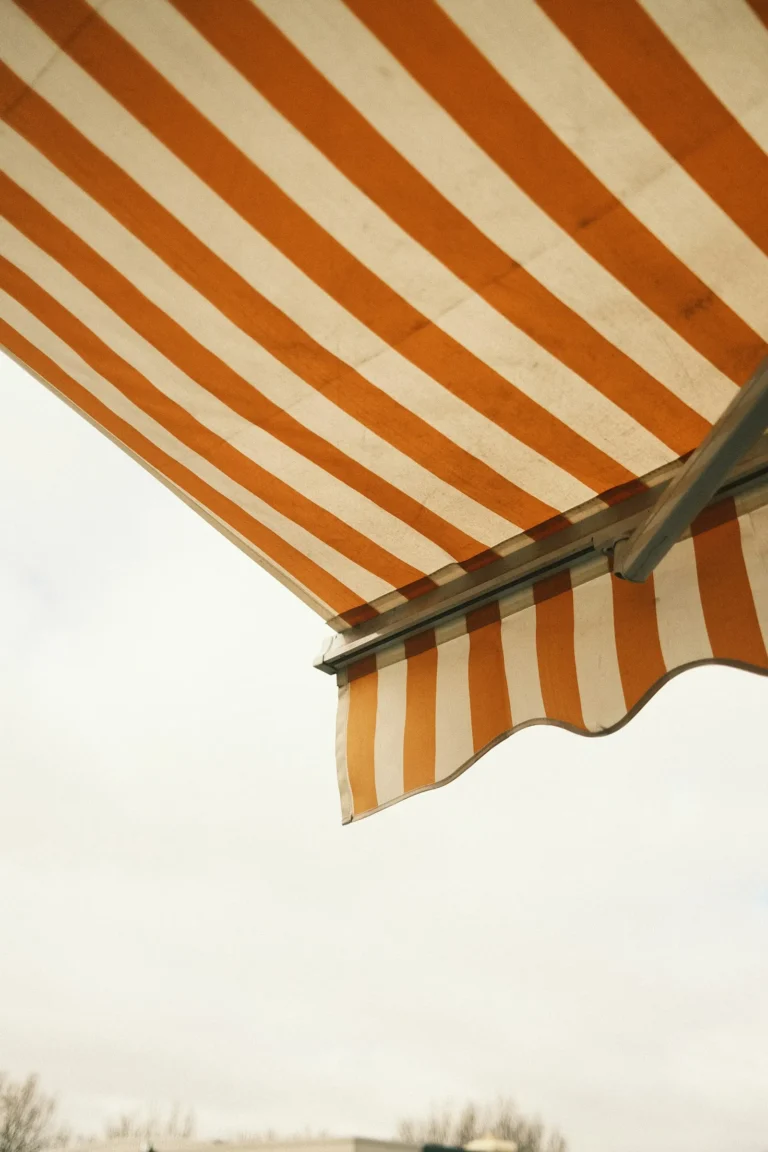 AwningsFolding arm and cassette awnings, canopies and covers in acrylic canvas and PVC. The key decision is whether to sew or weld, depending on whether the piece has to be watertight, and a mobile hot wedge welder lets you work on the canvas itself.See machinery →
 Sun protectionScreen fabrics, pergolas, roller blinds and outdoor sun protection. The edge is not hemmed but cut and sealed ultrasonically, and handling the wide roll decides how many pieces you get out per day.See machinery →
 Garment manufacturingShirts, trousers, dresses, knitwear and workwear. What each machine in the line does (flatbed, overlock and coverstitch), 4 or 5-thread overlock depending on the fabric, and when it pays to automate buttonholes, buttons and pockets.See machinery →
 Technical textilesFlame-retardant clothing, technical rainwear, PPE and cleanroom garments on laminates and membranes. Here the seam opens up the barrier that the fabric had intact, so the sewing machine doesn’t work alone: it is followed by a sealing machine that closes the stitch line with heat tape.See machinery →
Your industry is not listed?
We also work with knitwear, marine and safety footwear. We will be publishing their pages, but there’s no need to wait: tell us what you make, with which material and how many pieces a day, and we will tell you which machine fits.
Related advice
- Do you make PVC or PU canvas for awnings, marquees and trucks?: high frequency, hot wedge or hot air, and the PFAFF 8320, 8362 and 8390 welders.
- Which machine do you need to make pool covers?: bubble covers and PVC covers with the PFAFF 8362-126 hot wedge welder, and compound feed for the binding.